
The Metaverse Problem
Scattered thoughts on the Metaverse, what it is, and how we get to it.


The Metaverse Problem
Where is the internet going in the future? It is commonly thought (amongst groups that consider such questions) that we will end up in the metaverse, a term coined in the famed science fiction novel Snow Crash by Neal Stephenson. The metaverse (I will be brief as most people reading this should know what it is) is thought to be the future of not only the internet, but society as a whole. From our social lives to the economy, everything will migrate to be a part of the digital realm, including our bodies.
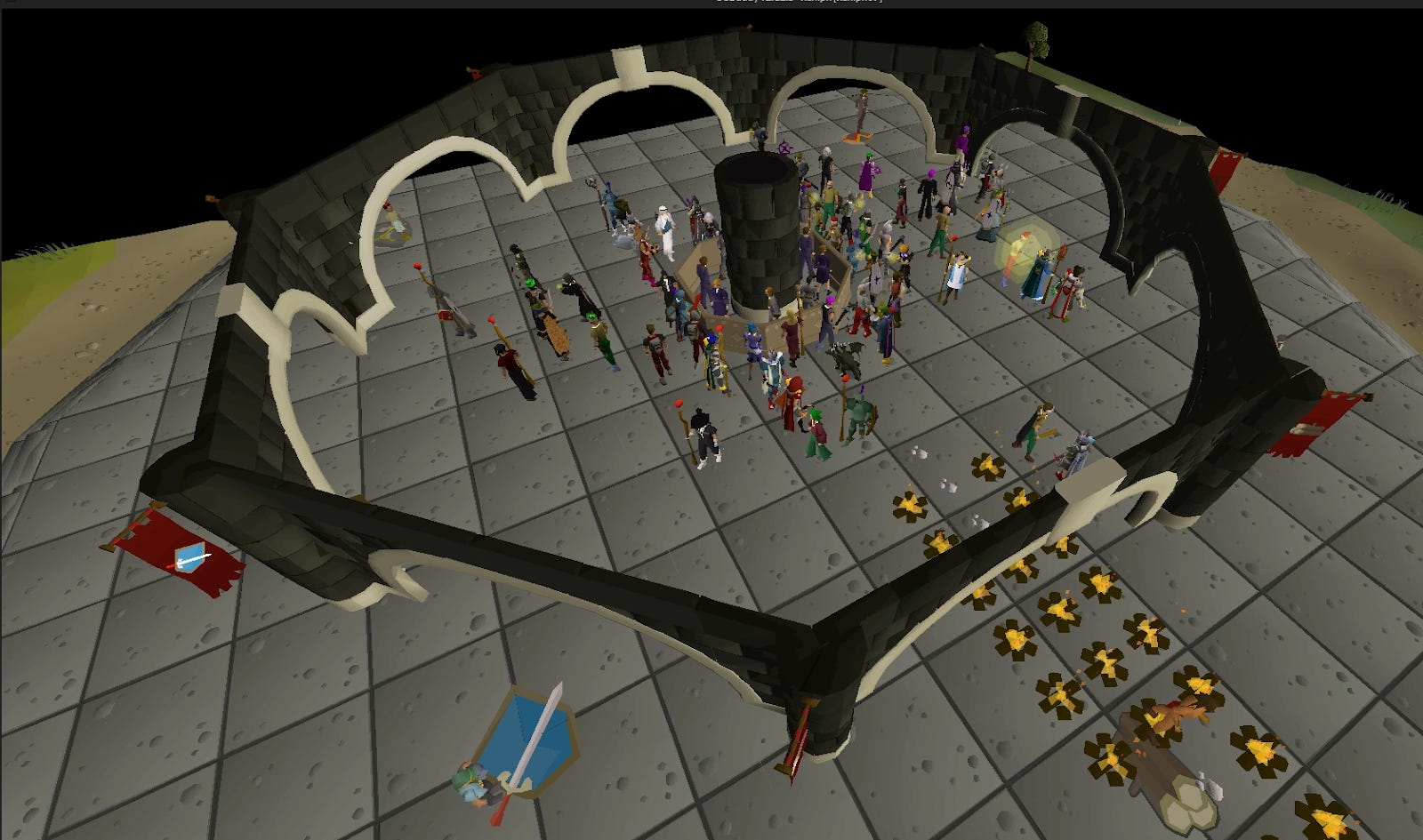
The first known "metaverse" was Second Life, along with games such as IMVU, Habbo Hotel, EVE Online, Runescape, World of Warcraft, Club Penguin, Roblox, amongst others. This is what gave us our first taste of what is to come. But that only tackles a portion of what I'll call the metaverse problem.
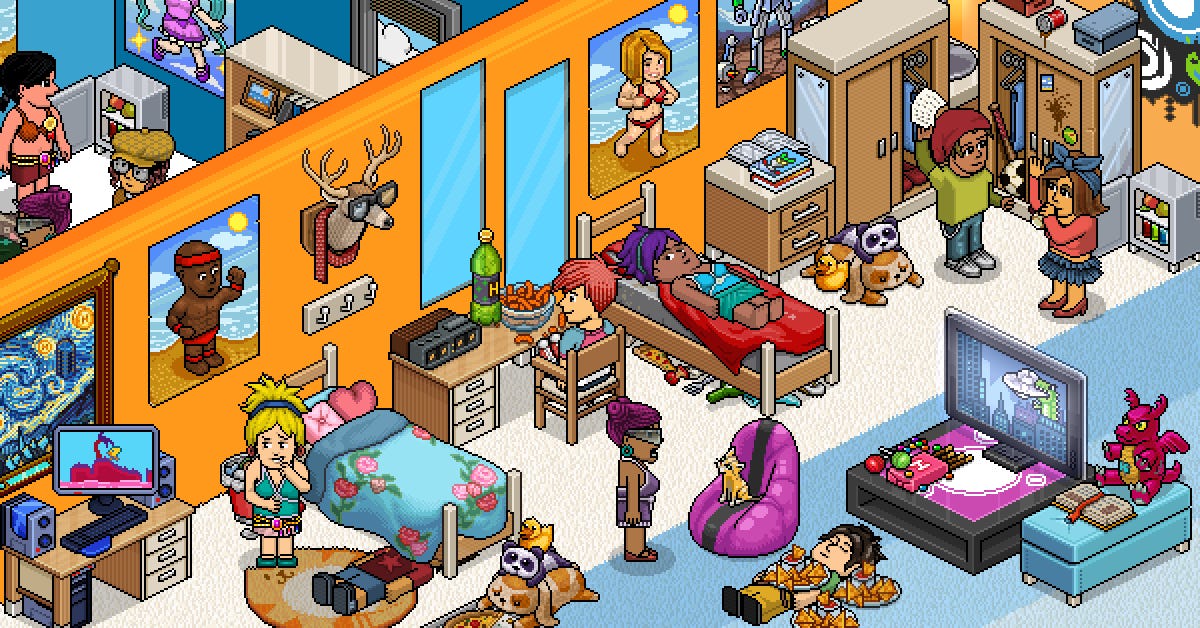
A metaverse is traditionally thought of as a 3D realm with its own economy, world, and social system where your avatar is your body; however, that is not realistic in the near to mid term. What we need to consider is how do we bridge this gap and work through the transitory period between now and the coming of the TRUE metaverse.
The starting point to many may be VR, however that is not a reasonable solution for the time being. VR headset adoption sits at roughly 31 million units globally, a fraction of the billions who will inhabit these digital realms. Even worse, average VR session time remains under 30 minutes. As Second Life founder Philip Rosedale noted after recent studies: "people don't want to be a cartoon avatar while wearing a VR headset." (To clarify, the inevitable outcome is that society will migrate to the digital realm entirely: blockchain economy, gamified lives, self expression via avatars, lives spent with VR goggles on.)
My starting point is through the resurgence of in-browser gaming. We saw it work before in the case of games such as Club Penguin, and even in the modern day through online casinos, and we can see especially with online casinos how it integrates with AR.
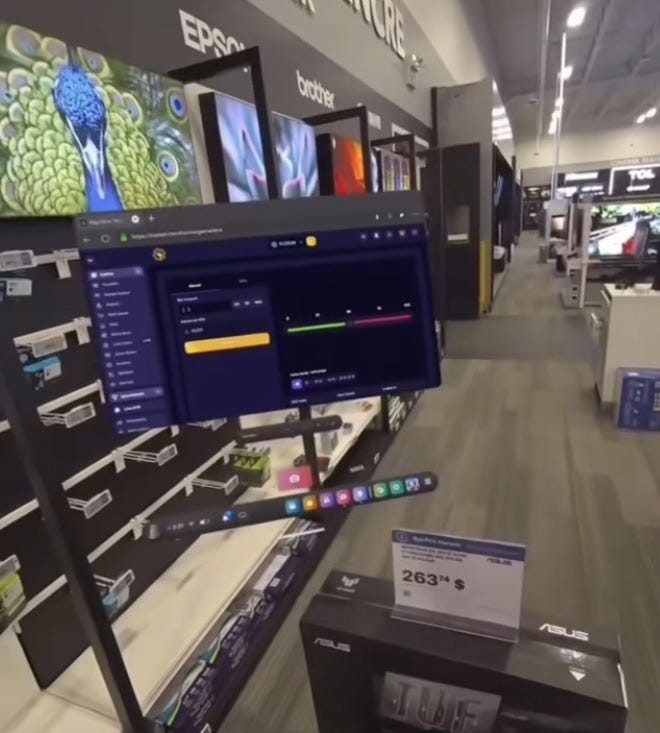
Now you may wonder why I say online casinos. Online casinos rapidly bring new users into the digital economy and get them to become immersed in simple browser games. The formula is proven: skin gambling alone handled around $5 billion of virtual goods in 2016, with individual skins now selling for over $400,000. "You cannot look at CS:GO and not look at gambling anymore. It is not possible," YouTuber Houngoungagne told Barrons. This isn't isolated to Counter-Strike, Steam marketplace volume sits at $1 billion annualized, 25% of OpenSea's volume and growing quickly. As one crypto analyst noted, "NFT item ownership can greatly benefit desirable assets, but items are not inherently desirable because they are NFTs—people have to want the item for external reasons."
Now imagine how this can scale. Hundreds of millions of people become more and more engrained within the new system in a gamified manner. It is the perfect way to create multi-pronged feed into the metaverse, but how do we combine these prongs of the fork into one channel?
It is about taking the online casino formula, and flipping it into the formula for an online gaming hub built on crypto rails. A place where you can connect, game, trade, buy and sell goods, and even enter into larger more immersive digital realms.
Imagine you are 12, you are playing games with your friends and eventually play a game called CS:GO, you play it to interact with your friends and have fun, but you come to love its skin system, opening hundreds of crates trying to get that factory new stat track dragon lore, you become immersed in the game's economy trading with users, becoming friends with those who you interact with, gambling your skins on CS casinos to find more fun within the ecosystem, you stop playing the game itself entirely, all that matters is the rush of opening crates and then gambling and trading them, suddenly years have passed and this is your entire life from how you socialize to how you make a living; you may still interact with the real world but your life is online.
This progression isn't hypothetical. Since CS:GO was released in 2012, an estimated 205 million people have installed it, and Barrons identified 120 streamers on Twitch sponsored by skin gambling sites. People develop deeper attachment to systems where they have financial stake than to systems where they are merely consumers.
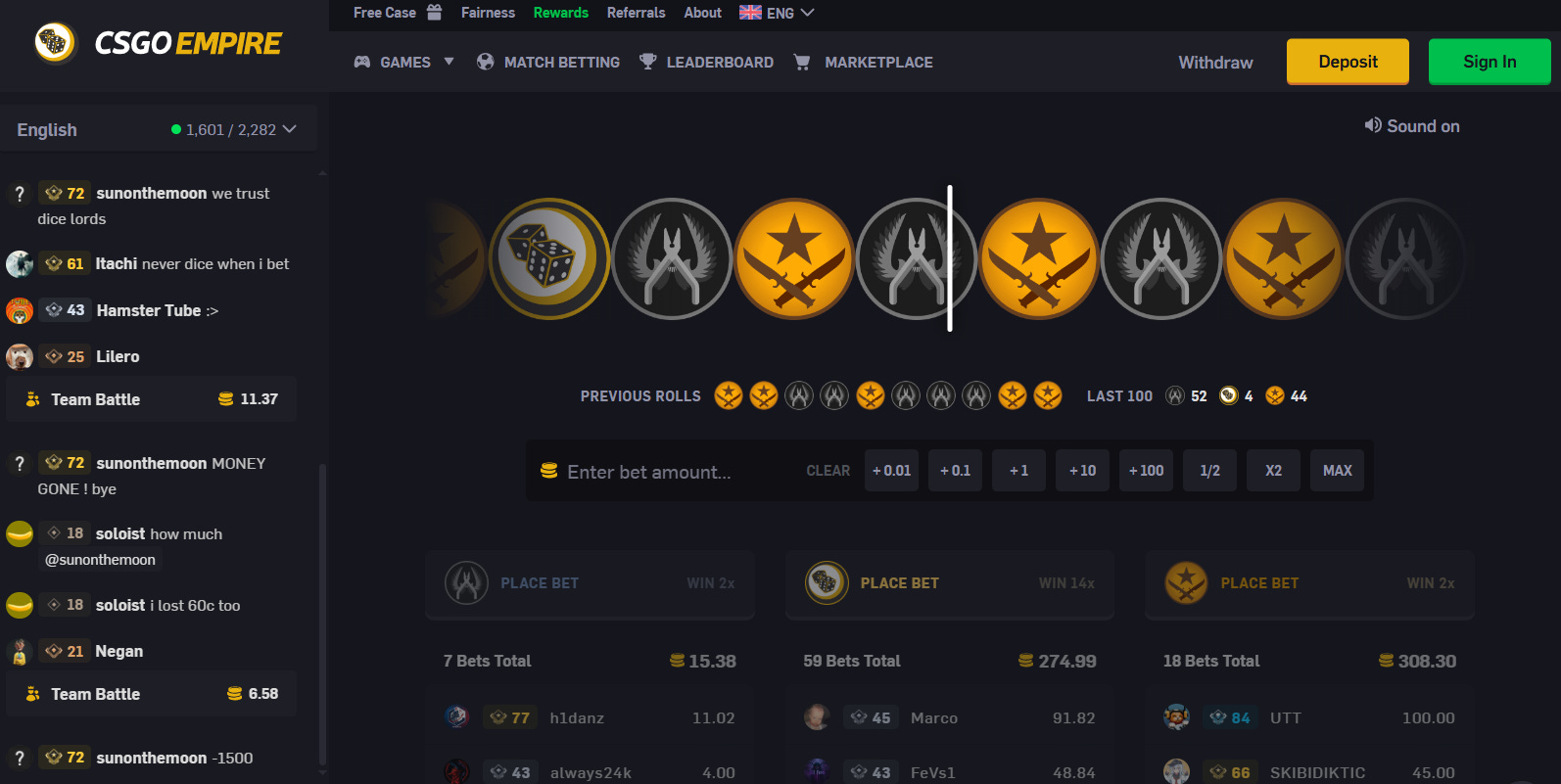
The underlying driver is the degradation of both economic opportunity and physical society. The path to wealth that once existed is slowly deteriorating, with many willing to give up on traditional life to grow beyond society. The slow destruction of what was once “the path” to take in life has opened the gateway to individuals giving up on life and going all-in on the digital realm. Whatever poison they pick (gaming, crypto, trading, etc.), it all ends in gambling and degeneracy.
What we need to imagine is a system that ropes users in with what they already understand and desire (gambling, quick money, high dopamine) and pushes them deeper into what is the future: NFTs, immersive MMOs, on-chain gaming on mobile and PC, AR, and then eventually VR.
We can already see this formula at play via Valve's ecosystem with Steam, its games with tradeable digital assets, and the casinos tied to them, with many users exclusively playing games like Counter-Strike strictly to buy, sell, trade, and gamble skins. The framework is already there, it just needs to be altered and implemented via a different strategy, starting by making the entry point where users usually end up anyways, and then making it an engine for growing the digital realm.
This may be confusing to some who say, "Well why don't we just let these games' ecosystems expand and integrate into the metaverse?" This is plausible however, most are reluctant and/or will take too long to reach this point. Valve shows no signs of expanding beyond their current model despite having the perfect infrastructure. Epic talks about metaverse integration but remains focused on Fortnite and its existing non-universal in-game economy. Major tech companies spend billions on VR hardware while ignoring fundamental adoption barriers. Nothing is going anywhere of actual use in the present.
We need to take the most aggressive approach possible to reach the inevitable, and use the rails and create a framework for an ideal pipeline into the metaverse for more individuals.
As Neal Stephenson said: "for its full potential and widespread adoption to be reached, efforts must be well thought through." "We will be able to attract tens of millions of people to the metaverse if we draw people in through engaging entertainment."
References
Barrons. (2024). "Counter-Strike CS:GO Skins Gambling Gateway Video Games."
EY. (2025). "What's Possible for the Gaming Industry in the Next Dimension: Chapter 3 - Insights on the Metaverse and the Future of Gaming."
oldcoinbad. (2024). "gaming summer: why crypto's killer app — incentives — are a perfect fit for gaming." https://oldcoinbad.com/p/gaming-summer
oldcoinbad. (2024). "long degeneracy." https://oldcoinbad.com/p/long-degeneracy
Stephenson, N. & World Economic Forum. (2023). "How Does One of the Founders of the Metaverse Envision Its Future?"
TIME Magazine. (2021). "What Second Life's Rise and Fall Can Teach Us About the Metaverse."